
3 November 2026
Repair Or Replace Your Dartford Roof? How To Decide
Repair or replace your Dartford roof? How to tell a local fault from a worn-out roof, what an inspection should prove, the sums, one-slope jobs and selling.
Repair or replace? Most Dartford homeowners face that question after the third or fourth visit from a roofer, when the bills start adding up. Neither answer is right in every case. A slipped tile we can reach from a roof ladder usually costs £180 to £450 to put right, and on a sound roof that’s money well spent. A full re-roof is a much bigger number: Which? surveyed its Trusted Trader roofers in November 2025 and put a whole tiled roof on a three-bed house at £7,000 to £21,000 before VAT. Somewhere between those figures is the point where patching stops making sense, and it isn’t set by the roof’s age alone. It depends on where the faults are, what is causing them and how often they come back. Then there’s scaffold, which on a Dartford terrace can add £500 to £1,200 every time it goes up. Here’s how to work out which side of that line your roof is on.
Repair or replace your Dartford roof? First, find where the faults are
Before anyone talks money, three questions do most of the work. Where are the faults? Why did they happen? And how often do they come back?
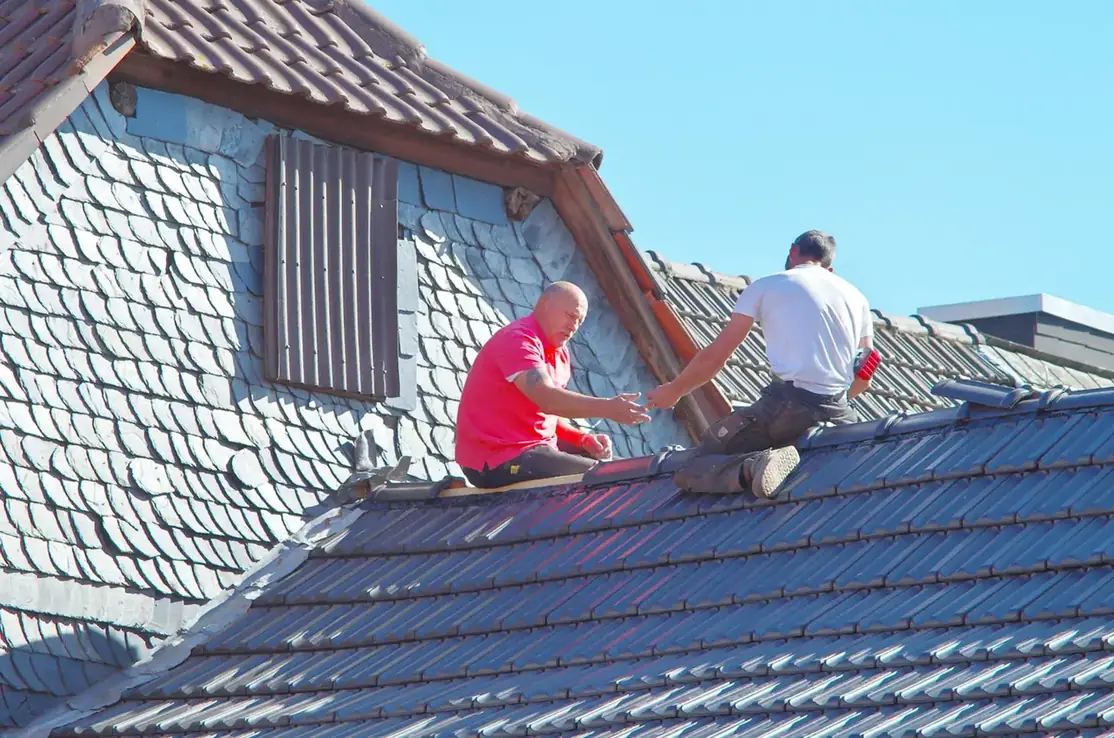
A fault in one place is a repair, however old the roof. A cracked ridge tile, a valley that’s lost its lining, lead flashing that’s pulled away from a chimney, or a patch of tiles under next door’s tree that never dries out can all be fixed on their own. Our roof repairs in Dartford sort out exactly these jobs, and they don’t commit you to anything bigger.
The cause tells you more than the symptom. When a slate slides because its iron nail has rusted through, the same thing is happening to every other nail driven in that year. When a tile slips because the batten behind it has gone soft, the battens around it are rarely much better. Faults in the fixings, the battens or the felt run across the whole roof. Faults in a ridge, a valley or a flashing usually don’t.
How often matters too. A leak that keeps coming back in the same spot usually means the last repair missed the cause, and a better repair will fix it. A leak in a different place each winter is a roof wearing out all over. If you want rough ages for each kind of covering, our guide to how long a roof lasts in Dartford goes through them. Age is only a clue, though. Plenty of 90-year-old roofs need a ridge re-bedding and nothing else.
What a proper roof inspection should show you
You can’t settle repair or replace from the pavement. Anyone who tells you the roof is finished without going into the loft or getting up close is guessing, or selling.
A thorough roof inspection in Dartford starts in the loft with a torch. Daylight coming through, dark water stains running down the rafters, felt hanging in strips at the eaves and battens that crumble under a thumbnail all point the same way.
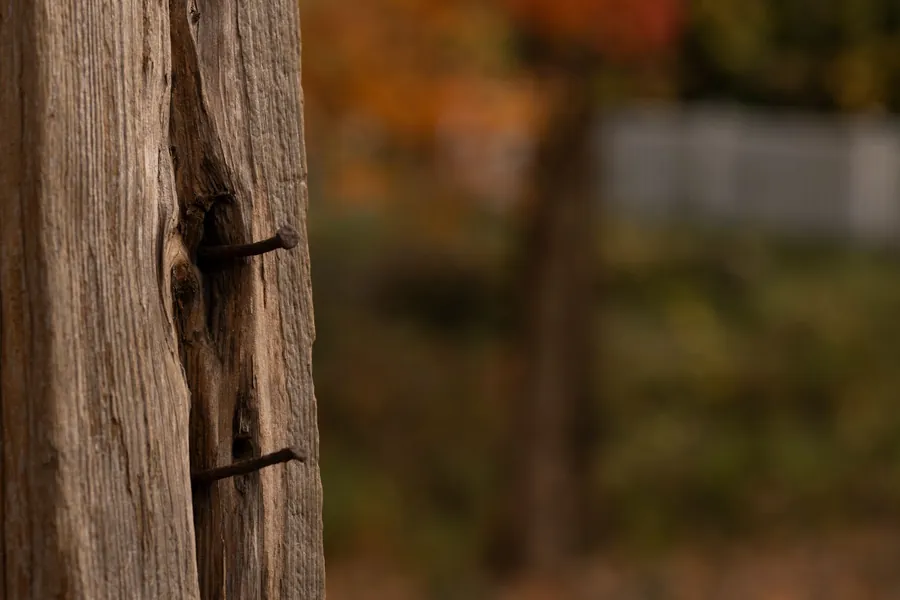
Then the roofer should get up close to the fixings. Lifting one or two slipped slates or tiles shows whether the nail head has rusted off, the batten has rotted or, on clay plain tiles, the little nibs on the back have snapped. That one look often settles the whole question.
After that, each slope gets judged on its own: front, back, outrigger, dormers. A tired rear slope above a sound front slope is a very different quote from a roof that’s tired everywhere. Ridges, hips, valleys, chimney flashings and verges get their own verdict too, because they can be fixed whatever state the slates or tiles are in.
What you should get back is a written report with photos of every slope, a clear note of which faults are local and which run across the roof, and a price for each route. Being shown both prices is how you know nobody is steering you. If the only option on the table is the dearest one, ask why the other was ruled out.
Doing the sums: patch-ups over ten years against a new roof
Here’s how it plays out with our own 2026 prices. Take a Victorian mid-terrace near the town centre, slate on the main roof, with a two-storey outrigger at the back.

The first winter, slates slip on the front slope. The front faces the pavement, so scaffold goes up: £180 to £450 for the slates plus £500 to £1,200 for the scaffold. The second year, the valley between the main roof and the outrigger starts to leak, at £600 to £1,600. The third winter, more slates go on the front, in a different place, and the scaffold goes up again. Add it up and you’ve spent somewhere between £2,000 and £4,900 in three years. And the nails and battens holding every other slate are just as old as they were on day one.
Compare that with a slate re-roof of the same house, which our full re-roof price guide puts at about £10,000 to £14,500. That gets you new battens, a breathable membrane, copper nails, the good original slates re-laid and a fresh guarantee. The scaffold goes up once.
None of this means repairs are a waste. If those three repairs had bought ten quiet years, they’d have been the cheaper route by a long way. Which?’s guide to what roofers charge makes the same point: repairing almost always costs less than a new roof, unless the repair won’t fix the problem or won’t last. Our own rough rule is this. When the repairs in a two or three year stretch add up to about a third of a new roof, and the faults keep turning up in new places, we’ll tell you straight that re-roofing is the better buy. The roof repair costs guide has the individual job prices if you want to run your own numbers.
Scaffold can tip the sums the other way as well. If it’s already up for a chimney rebuild, re-covering the slope beside it costs a lot less than it would on its own. And if next door on a terrace is having their roof done, ask whether one scaffold could do for both fronts.
The middle route: re-roofing one slope
Roofs don’t always wear evenly, and you don’t have to choose between a patch and the whole lot.

A south or south-west facing slope takes the full summer sun, which dries out felt and mortar faster than on the shaded side. A slope under trees stays damp and grows moss. On Dartford’s terraces the rear slope and the outrigger roof are often in a worse state than the front, partly because they were patched more cheaply over the years where nobody could see them. Re-roofing just that side means scaffold on one side only, and often in the back garden rather than on the pavement.
Matching is the first snag. Plenty of older concrete tile profiles aren’t made any more, and even a current tile in the same colour won’t look like one that’s had 40 years of weather on it. The usual answer is to strip the worn slope, set aside the best of its tiles or slates, re-cover the back in new material and use the salvaged pieces to repair the front. That’s the side people actually see.
Then there’s paperwork. One slope is well over a quarter of most roofs, which brings the job under Building Regulations. Our guide to planning and Building Regs for re-roofing in Dartford explains what that means for insulation and sign-off, and what changes in a conservation area or an Article 4 street, where Dartford Borough Council has a say over materials.
Shape matters as well. A simple pitched roof splits neatly at the ridge. A hipped roof, the kind on many 1930s semis, has every slope meeting the others at the hips, so stopping halfway leaves awkward joins.
How the decision usually falls on Dartford’s housing
Every roof is different, but the housing in the borough does lean certain ways.
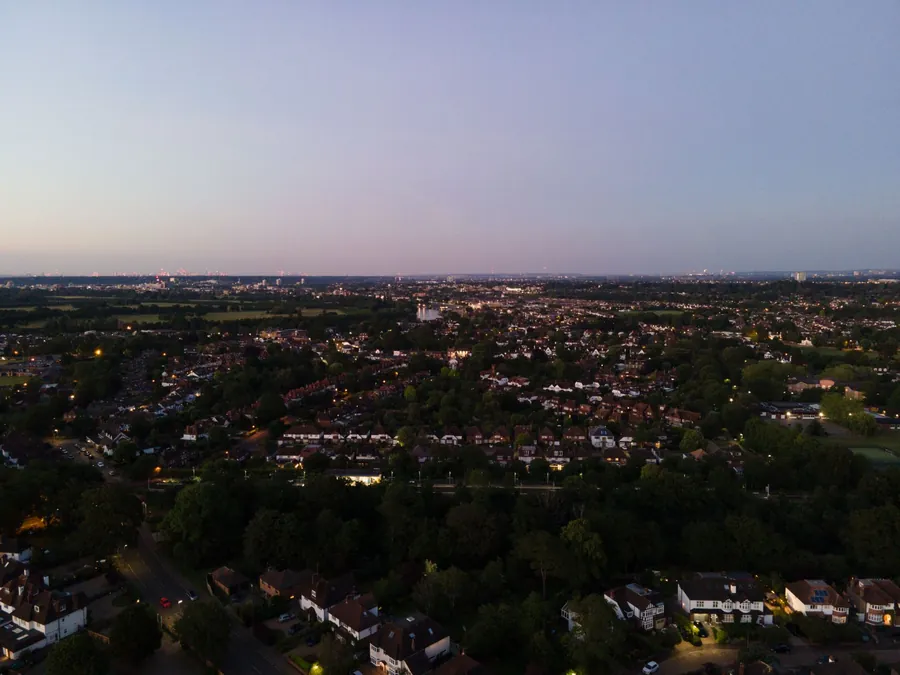
On the Victorian and Edwardian terraces around the town centre and up West Hill, the slates are rarely the problem. The real choice is between tingling the odd slipped slate and stripping the roof to re-lay the good slates on new battens. That’s a re-roof, but a cheaper one than new material, and the house keeps its look.
The 1930s semis in Wilmington and Joyden’s Wood mostly have hipped roofs in clay plain tiles. Reclaimed tiles can patch them well. Once the nibs are snapping on every slope, though, splitting the job doesn’t work for the reason above, and a full re-roof is usually the honest answer.
The postwar concrete-tiled homes on Temple Hill often show the opposite pattern. The tiles are still hard but the felt at the eaves has rotted. Repairing the eaves with new felt support trays, plus any rotten fascia, can buy years before the main covering needs touching.
The newer estates at Ebbsfleet, Stone and Greenhithe almost always need repairs, not replacement. Loose dry-fix ridges and cracked plastic verges are fixed parts, not signs of a worn-out roof. Our guide to new-build roofs after the NHBC warranty covers what goes wrong on them.
Selling, buying and insuring a tired roof
The decision changes when there’s a sale coming, or an insurance claim.

Most buyers in Dartford will get a survey. According to the RICS description of its Level 2 home survey, the surveyor looks at the outside from the ground with binoculars and goes into the roof space if it’s safe to do so. A roof given condition rating 3 counts as a serious or urgent defect, and RICS advises buyers to get written quotations for the repairs before committing to buy. So a tired roof usually turns into a quote, and the quote turns into a price cut. If you’re selling, get your own inspection first. Fix the obvious things a surveyor will spot from the street, like slipped tiles and a lifting ridge, and keep the paperwork. Then you’ll know what a buyer is likely to raise before they raise it.
If you do re-roof, keep the certificates. Replacing roof coverings is on the government’s list of work competent person schemes can self-certify, through CompetentRoofer or NAPIT. Otherwise sign-off comes from building control. Either way, a buyer’s solicitor will ask for proof, along with the guarantee.
A roof that’s been patched for years is also a weak spot on your insurance. Policies cover sudden damage, not wear, and a roof with slipped slates on every slope is exactly the kind where insurers point to wear and tear after a gale. Our guide to storm damage and roof insurance in Dartford explains how that exclusion works. Replacing a roof that’s worn out across the board puts you back in a position where a storm claim would hold up.
Timing helps too. Dartford is one of the drier corners of England, so a re-roof can usually be booked for spring or summer rather than done in a rush. Book early, though. After a big blow, every roofer in north Kent has a queue.
Frequently asked questions
How do I know whether my roof needs repairing or replacing?
Look at where the faults are and whether they keep moving. A cracked ridge, one leaking valley or a tired chimney flashing is a repair, even on an old roof. Slipped slates or tiles on every slope, soft battens, felt rotted along all the eaves, or a leak in a new place each winter mean the parts holding the roof together have worn out, and replacing it usually costs less over the next ten years.
Can I re-roof just one slope of my house?
Often, yes. On Dartford terraces the rear slope or the outrigger roof frequently wears out before the front, and doing one side means scaffold on one side only. The catches are matching the old tiles where new meets old, and Building Regulations, because a whole slope is well over a quarter of most roofs. A hipped 1930s roof is harder to split, as its slopes all meet at the hips.
Will a buyer's survey pick up an old roof?
Usually. On an RICS Level 2 survey the surveyor looks at the roof from the ground with binoculars and goes into the loft if it is safe to. A roof given condition rating 3 counts as serious or urgent, and RICS tells buyers to get written quotations before they commit to the purchase. Expect those quotes to come up when the price is negotiated.
Is it worth paying for repairs if the roof will need replacing in a few years?
Only the repairs that stop water getting in. If a re-roof is likely within three to five years, every visit that needs scaffold is money you will not see again on the new roof. Make the roof watertight, keep the receipts, and put the rest towards the replacement, ideally booked for the drier months.
Want a Dartford roofer to look at yours?
A roofer will come out, check it from the loft and the outside, and give you a written price. Dartford, Crayford, Bexley, Swanley and nearby.