
30 October 2026
Will Insurance Pay For Storm Damage To Your Dartford Roof?
Storm damage roof insurance in Dartford explained: what policies call a storm, why wear and tear sinks claims, what evidence helps, and when paying beats claiming.
Storm damage roof insurance in Dartford is one of those subjects most people only look up with a bucket on the landing. That’s the worst time to learn how it works. Policies differ, but most UK home insurers borrow the same yardstick for a storm: gusts of 48 knots, which is about 55mph. Which? went through 133 home insurance policy documents early in 2025 and judged that one in five carried a storm definition it thought was potentially unfair. And when Storm Eunice reached Kent in February 2022, the county council recorded gusts of 77mph on the east Kent coast and power cuts at some 71,000 properties. So the wind does get here, and claims do get refused. This guide is for the quiet months: what your policy probably says, why the wear-and-tear line catches so many Dartford roofs, which evidence counts, and when paying a roofer yourself works out cheaper than claiming.
Storm damage roof insurance in Dartford: read your policy while the sky is clear
Dig out the policy document now, not the one-page schedule. The schedule tells you the price and the excess. The wording tells you what you’re actually covered for, and that’s where storm cover lives.

Your roof sits under buildings cover. Contents cover pays for the sofa the water lands on, not the tiles it came through. If you own a flat in one of the newer riverside blocks at Greenhithe, the buildings policy usually belongs to the freeholder or managing agent, so your first call goes to them. Renting? The roof is your landlord’s insurance and your landlord’s problem, though your own contents policy may still matter.
Four things are worth finding and writing down:
- How the policy defines a storm, if it does at all
- Your excess, and whether a different one applies to storm claims
- The exclusions, especially wear and tear, gradual deterioration and lack of maintenance
- What it says about fences, gates and hedges, which plenty of policies leave out of storm cover altogether
If you’ve never had the roof looked at properly, a roof inspection in Dartford gives you dated photos of it in good order. That’s useful later. An insurer can argue about what state a roof was in before a storm. It has a much harder time arguing with pictures.
What counts as a storm on paper
Many policies spell it out. The common wording reads something like this: wind gusts of at least 48 knots (55mph), or rain falling at 25mm an hour or more, or snow at least 30cm deep in 24 hours, or hail heavy enough to damage hard surfaces or break glass. Meet any one of them and, on paper, there was a storm.
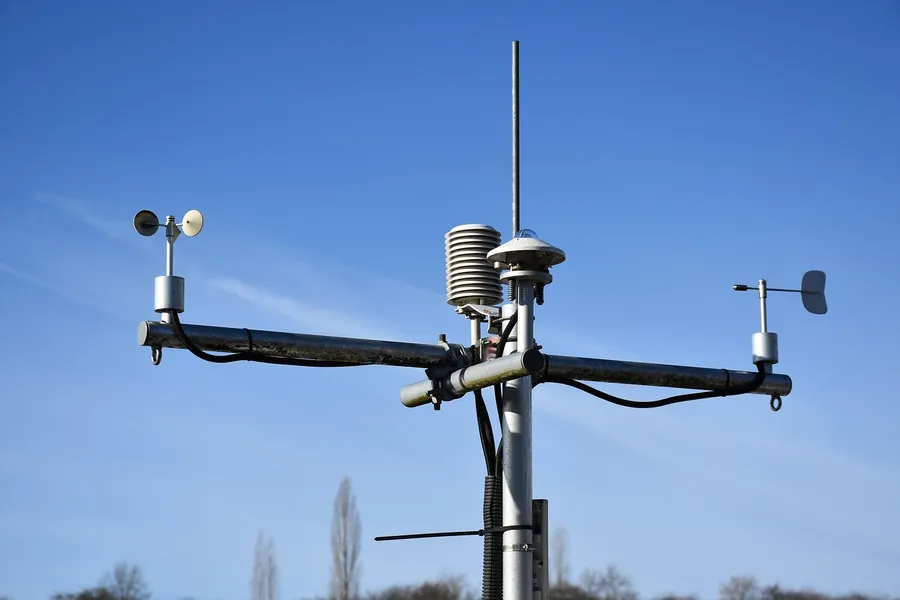
Not every insurer uses that exact text. Some say “normally exceeding” 55mph, some describe storms in general terms, and a few policies don’t define one at all. That’s why the Which? review of storm definitions in home insurance policies is worth five minutes. It names the kinds of wording it thinks tilt things unfairly towards the insurer.
The good news is that the number isn’t the whole test. If a claim reaches the Financial Ombudsman, it looks at whether storm conditions were recorded around the date, whether the damage looks like storm damage, and whether the storm was the main cause. A gust reading a few miles short of 55mph doesn’t automatically kill a claim. Nor does a 70mph gust guarantee one, if the roof was falling apart already.
Storm damage in Dartford: what the estuary and February 2022 tell an insurer
Dartford doesn’t get a lot of rain. It does get wind, and it gets it off open ground. The Thames runs wide past Littlebrook and the Dartford Marshes, with very little between the water and the first streets of Temple Hill. Up on the Heath, the houses sit with nothing to shelter them from any direction.
February 2022 shows how insurers end up arguing about dates. Storm Dudley arrived on the 16th. Eunice hit Kent on the 18th under the first red wind warning ever issued for the south-east. Franklin followed on the 20th and 21st, with gusts of 62mph at Manston and a North Sea surge that pushed tidal flooding into Gravesend. That sequence comes from Kent County Council’s report on Storms Eunice and Franklin, which also logged 3,262 enquiries to Kent Highways over those four days. Three named storms in under a week. If your ridge went during that stretch, which one did it? Separate storms can be treated as separate events, each with its own excess. Ask the claims handler how they’re logging it before you agree to anything.
Notice too where those 77mph and 62mph readings came from: Langdon Bay and Manston, both on the far east Kent coast. Nobody published a Dartford figure. Insurers check records from the weather stations nearest your postcode, and the readings closest to you may be lower or higher than what your street actually felt. That’s one more reason the condition of the roof and the type of damage end up carrying so much weight.
The late-leak problem in a dry corner of Kent
Our part of north Kent gets roughly half the UK average rainfall. That sounds like a blessing for roofs. For claims, it can work the other way. A tile lifted in a February gale may not let water in until a heavy April shower lines up with the gap, and by then the link back to a storm date is weaker. Look up at the roof after every big blow, from the garden and the street, even if nothing seems to be dripping. Damage you spot and report straight away is far easier to pin on a storm than a stain that turns up in spring.
Sudden or gradual: the line most refused claims fall on
Insurance covers events. It doesn’t cover ageing. Almost every dispute about a storm-damaged roof comes down to which of those two the insurer thinks it’s looking at.

Here’s how it tends to split:
| Usually accepted as storm damage | Usually refused as wear and tear |
|---|---|
| Tiles stripped off clean, with sound tiles all round | Tiles that had slipped for years on rusted nails |
| A ridge lifted whole in a recorded gale | Ridge mortar that had crumbled to dust |
| Felt torn on a flat roof that was in decent order | A flat roof that was already blistered and ponding |
| A chimney pot or aerial blown down onto the slope | Flashing that had peeled back over several winters |
| Water through a ceiling the night the tiles went | A ceiling stain that had been growing for months |
Dartford’s housing stock makes the second column a real risk. Plenty of the 1930s semis round Princes Road and the Heath still have their original roofs, and after ninety-odd years a lot of the nails holding those tiles have rusted thin. Roofers call it nail sickness, and loss adjusters know exactly what it looks like. The postwar estates at Temple Hill have their own set of tired ridges and verges. None of that means you can’t claim. It means the insurer will look hard.
One point in your favour: it’s for the insurer to show an exclusion applies, not for you to prove it doesn’t. The Ombudsman’s case study on a storm claim refused over rusty roof nails is a good example. The insurer relied on phone notes and unclear photos, the couple got a second, more detailed report blaming the storm, and the Ombudsman preferred it. It also said a homeowner couldn’t reasonably be expected to replace nails hidden under the tiles.
Make it safe, keep the receipts, keep the bits
Most policies expect you to stop damage getting worse. A tarpaulin battened over a gap, a few tiles clipped back or a loose ridge lifted down all count as reasonable steps, and insurers generally pay for them as part of the claim.

What happens in the first few hours, from buckets to tarpaulins, is covered in our post on emergency roof repairs in Dartford after a leak or storm. For the claim itself, the paperwork matters more:
- Get an itemised invoice for the make-safe, with the date and what was done
- Ask the roofer for photos taken on the roof before and after the temporary work
- Keep broken tiles, bits of ridge and torn felt until the insurer says you can bin them
- Write down when you first noticed the damage and which storm you think caused it
- Note every call to the insurer, with the date and the claim reference
That advice about keeping receipts and not throwing damaged items away came up again from the Association of British Insurers after the 2022 storms. It sounds fussy. But a pile of broken tiles in the garage is evidence, and once the skip has gone, it’s gone.
The thing to hold back on is the permanent repair. Unless the insurer tells you to go ahead, or waiting would let more damage in, give them the chance to inspect first. Re-roofing a slope before anyone from the insurer has seen it can leave you arguing about something that no longer exists.
Roofer reports, claims handlers and loss adjusters
After you report the claim, a claims handler looks at it first. On small roof claims, photos and a roofer’s quote are often enough. On bigger or disputed ones, the insurer may send a loss adjuster.
A loss adjuster is appointed and paid by the insurer to work out what caused the damage and whether the policy covers it. Chartered adjusters belong to the Chartered Institute of Loss Adjusters and are bound by its code of conduct, which expects them to act impartially. A loss assessor is different. You hire them to argue your side, and they usually take a cut of the settlement. On a typical house roof claim that’s rarely worth it. On a large one, where an insurer is refusing a big repair, it might be.
The report from your own roofer is often what decides it. A useful one says:
- What’s damaged, with photos taken on the roof, not from a drone at 30 metres
- What caused it, in plain words, and why the roofer thinks so
- The condition of the rest of the roof, honestly, including anything that was already tired
- What the repair involves and what it costs, kept separate from any extra work you’ve chosen to add
That third point surprises people. A report that says the whole roof was perfect looks like a sales pitch. One that admits the ridge was ageing but shows the missing tiles came off sound battens reads as believable. We write ours that way. For work we’re quoting on, the survey is free. A full written condition report on its own usually costs £150 to £350.
If the answer is no
Ask for the refusal in writing, with the reason and the evidence behind it. Then complain to the insurer formally. If they haven’t sent a final response within eight weeks, or you don’t agree with it, you can take it to the Financial Ombudsman. It costs you nothing. A second roofer’s report, made after a proper look on the roof, is often the most useful thing you can add.
When paying the roofer yourself is the better deal
Plenty of storm damage in Dartford is a few tiles and a bit of ridge. That’s precisely the work where claiming often doesn’t add up.

Do the sums first. Most of the storm repairs we do fall inside our usual £180 to £1,600 range for roof repairs, and a make-safe visit is typically £200 to £500. Take your excess off the quote. Say the excess is £350 and the repair is £450: a successful claim puts £100 in your pocket. Then you list that claim every time you shop for insurance over the next few years, and storm claims count even though nobody was at fault. A small payout can easily cost more in premiums than it brought in.
The sums flip once the damage spreads indoors. Ruined ceilings, wet plaster and spoiled flooring add up fast, and so does scaffold for a big missing section or a chimney stack that’s come down across the slope. If a neighbour’s tree has landed on your roof, or several parts of the house were hit at once, claim. That’s what the policy is for.
You don’t have to decide on the spot. Get the roof made safe, take your photos, get a written quote for the permanent repair, and then weigh it up. Ringing an insurer for advice can sometimes get logged as an incident even if you don’t claim, so check what your insurer does with those calls. If the job is small, paying direct is quicker too, because nobody’s waiting on an adjuster’s diary.
Frequently asked questions
What wind speed counts as a storm for home insurance?
Many UK policies follow the industry wording of gusts of at least 48 knots, which is about 55mph. Some add heavy rain, deep snow or damaging hail as alternatives. Not every insurer uses the same definition, so read your own policy. The Financial Ombudsman also says wind speed is not the only thing it looks at when a claim is disputed.
Will my insurer pay if my roof was already old when the storm hit?
An old roof isn't an automatic no. Insurers can refuse damage they put down to wear and tear or gradual deterioration, but it is for the insurer to show that the exclusion applies. A roof that was sound and lost tiles in a recorded storm has a fair case. A roof that was already slipping and leaking before the wind arrived usually doesn't.
Can I get a roofer to repair the damage before the insurer has seen it?
You can and should get the roof made safe straight away, because most policies expect you to stop the damage getting worse. Keep the invoice and photos of the work. Hold off on the full permanent repair until the insurer has agreed the claim or told you to go ahead, unless leaving it would cause more damage.
Is it worth claiming for a few lost tiles in Dartford?
Often not. Our small storm repairs usually fall well inside the £180 to £1,600 band we charge for repairs, and your excess comes off any payout. A claim can also nudge up future premiums. Claiming makes more sense when water has damaged ceilings and rooms, or when scaffold and a large area of roof are involved.
Want a Dartford roofer to look at yours?
A roofer will come out, check it from the loft and the outside, and give you a written price. Dartford, Crayford, Bexley, Swanley and nearby.