
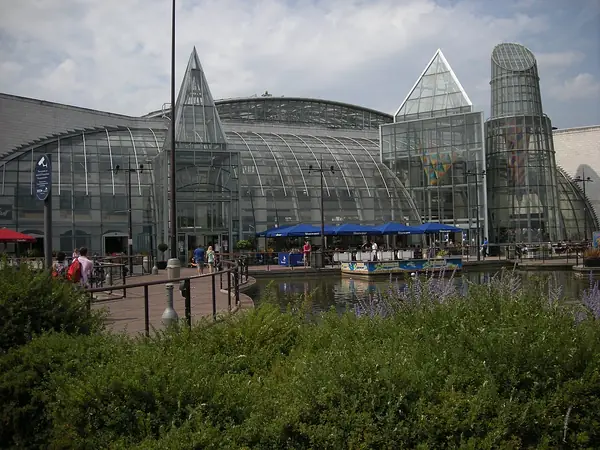
Bluewater
Shopping centre opened in 1999 in a worked-out chalk quarry, with more than 330 shops under one roof and lakes around the outside. Its postal address is Greenhithe, DA9 9ST.
Learn more about Bluewater on Google MapsMost new roofs we fit in Greenhithe go on older houses in and around the village. They've had decades of wind off the Thames, and once the battens rot and the nails rust through, patching only buys time. Re-roofing inside the conservation area needs thought before any scaffold goes up. Dartford Borough Council designated the village in 1975 and added an Article 4 direction in 1984, so changing how the roof looks may mean a conversation with the planners. The newer homes at Ingress Park are mostly too young for a full re-roof, and if that's what we find on yours, we'll say so. When a new roof really is due, the survey is free and the quote comes in writing.
A roofer rings you back to arrange a visit.
A new roof should see out the next few decades. On the riverside, that means building it for wind every bit as much as for rain.
01
If your house sits in the conservation area, we pin down what's allowed before you pick materials. Like-for-like is usually simple. A different covering, or new rooflights, may need consent from Dartford Borough Council, and it's far better to know that before ordering anything.
02
Tiles and slates are nailed or clipped to suit an exposed riverside house, not a sheltered one inland. Ridges and verges get the most thought of all, since they're the parts the wind goes for when a storm comes up the estuary.
03
With the old covering off, we check rafters and wall plates for rot and for damage from old leaks. Sound timber stays where it is. Anything weak gets replaced before the new roof goes on, at a price you've already seen in the quote.
04
Re-covering more than half a roof normally brings in Building Regulations. So does a change of material, or a new covering that's 15% or more heavier than the old one. We make the application and get the sign-off you'll need when you sell.
05
A re-covered roof should have its insulation brought up to standard. With the tiles off, that's quicker and cheaper than at any other time. On top-floor rooms in older village houses, it's often the change people notice most in their first winter.
06
You get photos of every stage, from bare rafters to finished ridge, plus the building control paperwork and a 10-year guarantee. When a buyer's surveyor asks what's under the tiles, you'll have the answer in a folder.
1,000+
Roofs repaired, renewed and rebuilt
10 yrs
Written guarantee on every re-roof
5★
The only rating anyone has left us
£0
For the survey and the written quote
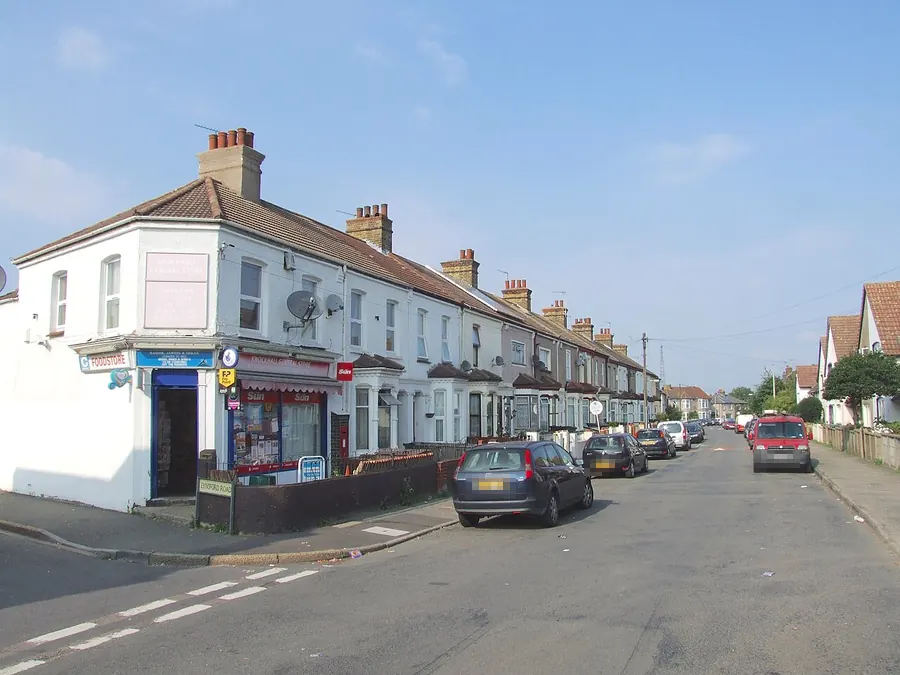
Greenhithe's older streets carry the history of a working river village, from a pier built in 1842 to paper mills that kept going until 1992. Inside the conservation area, a new roof should keep the character of the street. In practice that means similar materials and colours, and nothing surprising added on top. We help you work out what's likely to be acceptable and speak to Dartford's planning team wherever the answer isn't obvious.
Away from the village, the newer estates are a different matter. Ingress Park's first homes went up around 2000, so most of its roofs are a long way from needing replacing. If you own one and think yours does, we'll come and give you an honest view. More often than not, a few targeted repairs to fixings and seals are all it wants. Where we do renew a roof close to the water, wind exposure shapes every detail of the spec.
If your roof may only need targeted work, have a look at roof repairs in Greenhithe before you commit to a full replacement.
"When we re-roof in Greenhithe village, agreeing the right look for the street takes as much of our time as choosing fixings for the wind."
We inspect the covering from above and the timbers from below, and confirm whether the house falls inside the conservation area. Those two things decide the material options and how much paperwork is likely.
We go through suitable tiles or slate and what each would cost. For village homes we lean towards like-for-like, and explain plainly what switching material would mean for planning and for building control.
Strip-out, membrane, battens, covering, ridge and verge fixing, lead, insulation, scaffold and VAT all get their own line. Possible timber repairs are priced separately, so the full range is in front of you from the start.
We arrange building control wherever it's required. Inside the conservation area, we suggest checking with the council before work begins, and we don't put a start date in the diary until the paperwork is settled.
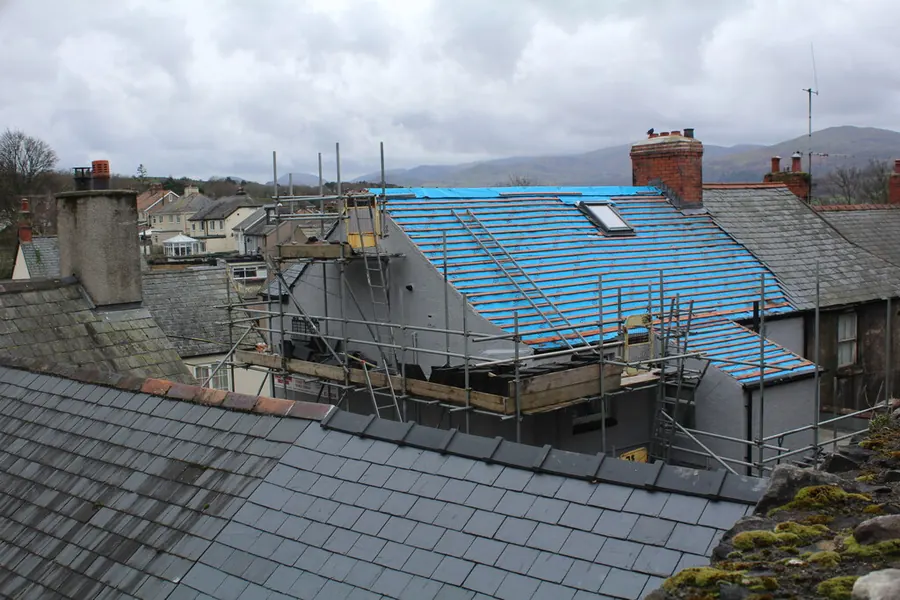
Scaffold goes up with protection for your garden and your neighbours. The old roof comes off a section at a time, and anything left open is sheeted down securely every night, which really matters on a site this exposed.
New membrane and battens first, then the covering, fixed for wind. Ridges, verges, valleys and flashings come next, with fresh lead where it's needed. The insulation is upgraded while everything is still within reach.
We check every slope and flashing while we can still reach them. Then you get the stage photos, the building control certificate and your guarantee, and the scaffold is struck and the site cleared.
10
Years' cover on a new roof
1,000+
Roofing jobs finished
Paperwork in your hand on the last day. Not posted out "in due course".
Re-roof a house in Greenhithe with us and you get 10 years of cover on the workmanship. It's a written document. It has your address on it, lists what was done, and is dated the day the roof is signed off. If water gets in because something was fitted wrong - a batten, a fixing, a lap, a flashing - a roofer comes back and puts it right. You don't pay for that.
Why are we happy to promise ten years? Because of how the roof goes on. Every tile or slate is mechanically fixed to BS 5534, the current British Standard. Ridges and hips are fixed too, not just sat in mortar. A breathable membrane goes down first. Where a roof meets a wall, a chimney or the house next door, it gets proper lead or a tested dry system. Shortcuts there are what make a guarantee expensive, so we don't take them.
Tiles, slates and membranes also carry the maker's own warranty. Those vary by product, and your paperwork tells you which ones apply. If a job is too unusual to guarantee in the normal way, you'll hear that at quote stage.
The table compares the coverings we fit most often. In the old village the right choice is usually whatever matches the street. On an exposed riverside house, the way it's fixed matters as much as the material itself.
| Comparison point | Concrete interlocking tile | Clay plain tile | Natural slate | Fibre cement slate |
|---|---|---|---|---|
| Typical lifespan | 50 years or more | 60 to 100 years | 80 to 100+ years, depending on source | Around 30 years |
| Weight | Heavy | Heaviest, as each tile is double-lapped | Light | Lightest of the four |
| Relative cost | Lowest | Mid to high, slow to lay | Mid to high, Welsh slate dearest | Low to mid |
| Look | Chunky profile, common on postwar homes | Small, warm-coloured, traditional Kent look | Thin, dark and neat | Uniform slate look, flatter colour |
| Planning and conservation | Fine for most homes, can jar in a conservation area | Often expected on older Kent buildings | The like-for-like choice for slate roofs | May be refused on listed or conservation roofs |
| Best for | Budget re-roofs on postwar and newer houses | Period homes and steeper pitches | Victorian terraces, slate-to-slate jobs | Lighter swap where rafters are marginal |
Typical re-roof prices for Greenhithe homes are set out below. Yours is fixed in writing after the survey.
A terraced house re-roof usually costs £8,000-14,500, and a semi around £10,500-16,000. Detached homes start at about £14,000 and can pass £24,000 once hips, dormers and valleys come into it. Every extra slope or junction adds labour, and valleys need lining, which adds material as well.
In the village, matching traditional tiles or natural slate usually costs more than standard concrete tiles. If the council asks for a particular finish, that can affect both the material price and how long it takes to arrive, so we build the lead time into the schedule.
Narrow roads around the High Street and Knockhall Road can make scaffold and deliveries trickier to arrange, and that adds a little to the bill. A clear route from a drive or rear garden keeps it down, as does sharing scaffold with a neighbour re-roofing at the same time.
Older village roofs can hide rot in rafter ends or wall plates, usually where a gutter has overflowed for years. We price that repair separately in the quote, so the worst case is known before work starts and there's no awkward conversation halfway through.
Outside the conservation area, a like-for-like re-roof doesn't normally need planning permission from Dartford Borough Council. Inside the Greenhithe Conservation Area, with its 1984 Article 4 direction, check with the council before changing materials or adding rooflights. Building Regulations are separate and apply to most re-roofs whatever the location. We take care of that side.
Not a different roof, a better-fixed one. Houses close to the Thames catch stronger gusts, so we specify more secure fixings for tiles, ridges and verges than we would on a sheltered street. Rainfall here is low by UK standards, which means wind-driven rain, not volume, is the thing the new roof has to beat.
Probably not. A roof that age usually needs targeted repairs to fixings and seals, not replacing. We'll inspect it and give you a straight answer with photos. If a full re-roof isn't justified, we won't recommend one, and you'll know exactly which smaller jobs are worth doing instead, and roughly what each one would cost.
A typical terrace or semi takes one to two weeks once the scaffold is up, weather permitting. Bigger or more complicated roofs take longer. In the conservation area, ordering matching materials can add some lead time before we start, so we'll give you a realistic date at quote stage and keep you posted if the weather moves it.
Yes. When a roof is re-covered, the insulation should be brought up to current standards, because the roof counts as a thermal element. We include it in the quote and explain the options, depending on whether your loft is used for storage or has been turned into a room. Either way, it's cheaper now than later.
Shopping centre opened in 1999 in a worked-out chalk quarry, with more than 330 shops under one roof and lakes around the outside. Its postal address is Greenhithe, DA9 9ST.
Learn more about Bluewater on Google Maps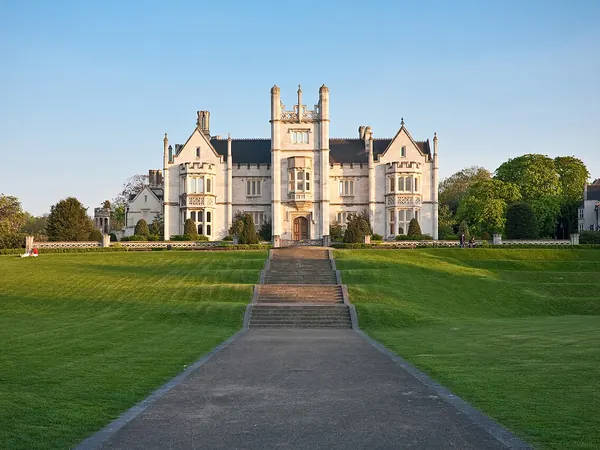
Tudor-gothic mansion built in 1833 for the Greenhithe landowner James Harman, said to use stone salvaged from old London Bridge. It now stands at the centre of the Ingress Park housing, with a long lawn running down towards the river.
Learn more about Ingress Abbey on Google Maps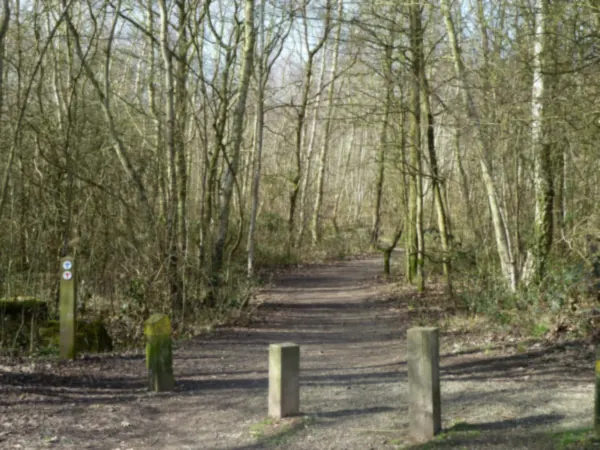
Seventy acres of woodland on Southfleet Road at Bean, a couple of miles south of Greenhithe. The site was dug for clay between 1935 and 1964 before being replanted and opened as a country park in 1991.
Learn more about Beacon Wood Country Park on Google MapsEvery review left for us so far has been five stars. We're adding them here as they come in.
Reviews only tell you so much anyway. When a roofer comes out to Greenhithe, ask to see photos of a recent job on a house like yours. A good roofer will have plenty and won't mind you asking.
Book a free survey. We'll inspect the roof, check where you stand on planning and give you a written quote.