
18 October 2026
Emergency Roof Repairs In Dartford: The First Hours After A Leak Or Storm
Roof leaking or storm-damaged in Dartford? What to do first, which repairs a roofer can make safe today, what waits for dry weather, and what make-safe costs.
Emergency roof repairs in Dartford almost always start the same way. A noise in the night, then a drip in the morning, or a ridge tile lying in pieces on the patio. What you do in the next few hours usually matters more to the final bill than the wind did. A make-safe visit from us usually costs between £200 and £500. A roof left open for a week can turn that into a ceiling, a soaked loft and new insulation. Dartford takes its weather off the Thames estuary, and when Storm Eunice reached the south-east on 18 February 2022, London and the south-east were put under the first red wind warning the area had ever seen. The QEII Bridge closed that day. So here’s the order we’d tackle things in, from the first bucket to the permanent fix, with prices, and a word on the traders who follow storms around Kent.
Emergency roof repairs in Dartford: is it an emergency or can it wait?
Not every roof problem needs someone today. Sorting your job into the right box saves money and gets the urgent ones seen first.
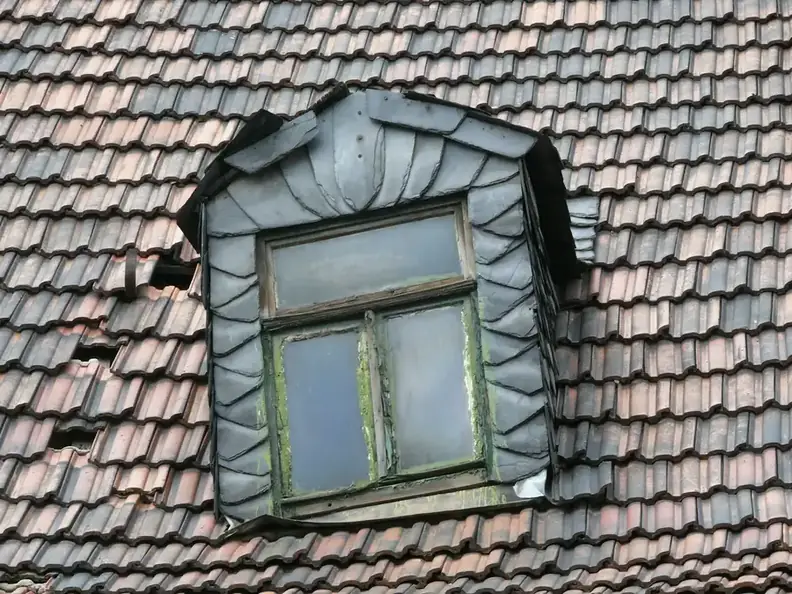
It’s an emergency if water is coming through a ceiling, if you can see daylight from the loft, if part of the roof has gone, or if something is hanging loose over a path, drive or neighbour’s garden. A chimney pot that rocks in the wind belongs here too. Anything that could fall two storeys needs dealing with before it does.
It can usually wait a few days if a single tile has slipped but the felt underneath is holding, if a gutter is dripping at a joint, or if you’ve found a damp patch that hasn’t grown since last week. Book those in, by all means, but don’t pay a premium. Our emergency roof repairs service in Dartford is for the first group. The second group is ordinary repair work and should be priced that way.
Before anything else: people, electrics and the room below
The roof can be fixed. A fall from a ladder in a gale or a shock from a wet light fitting can’t.
Stay off the roof, and don’t put a ladder up while it’s still gusting. Keep everyone clear of the ground under any loose tile or ridge, front and back. On a Dartford terrace that often means warning next door as well, since your loose ridge sits over their path too.
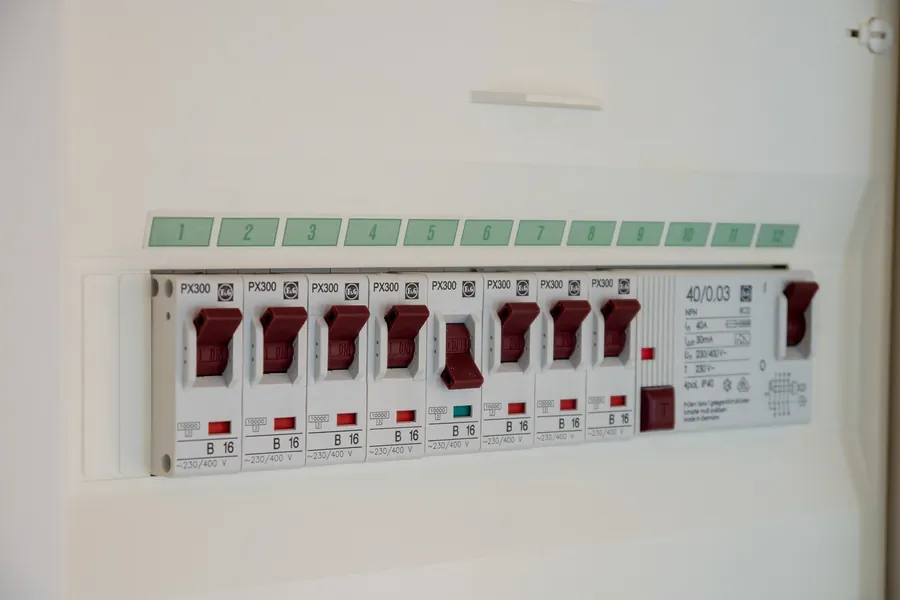
If water is running near a ceiling light, a socket or the loft wiring, switch that circuit off at the consumer unit and leave it off until an electrician has looked. Don’t touch switches with wet hands. Don’t stand in water to reach anything electrical. If the consumer unit itself is wet, stay away from it and call an electrician.
Containing the water from inside the house
You can’t stop the leak from indoors, but you can cut the damage it does by a long way.
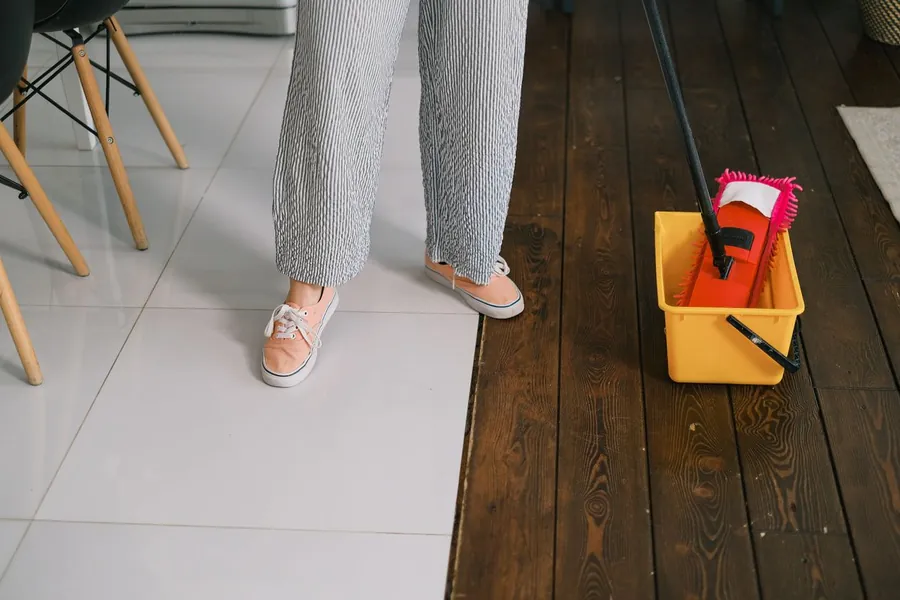
Get buckets, washing-up bowls and old towels under every drip. Move furniture, rugs and electrics out of the room. If you can safely get into the loft, look for where the water is coming in and put a bowl or a plastic sheet under it. Wet loft insulation acts like a sponge, so lift soaked rolls off the ceiling and lay them on the joists to stop them pressing on the plaster.
A ceiling that’s bulging downwards is holding water. Left alone it can give way all at once. Put a bucket underneath, stand to one side and push a screwdriver through the lowest point of the bulge so it drains in a controlled stream. It feels wrong. It’s much less damage than a collapsed ceiling.
Photos and notes your insurer will want
After a big storm, insurers are swamped. Claims with clear evidence tend to get through with fewer arguments.

Take photos before anything is moved or tidied. Get the roof from the street and the garden, any tiles or debris on the ground, the loft, and every stain or drip indoors. Phone photos are fine, because they carry the date and time. Write down when you first noticed the problem and the name of the storm if it had one. The Met Office names storms with Met Éireann and the Dutch weather service, and its UK Storm Centre page lists each one with its date.
Most policies also expect you to take reasonable steps to stop the damage getting worse, which is exactly what a make-safe is. Keep the invoice. If a claim is turned down, the Financial Ombudsman’s guidance on storm damage complaints explains how it decides. It asks whether there really was a storm on that date, whether the damage looks like storm damage, and whether the storm was the main cause. Wear and tear is the usual reason claims fail, which is why a roofer’s written note on the cause matters.
What a Dartford roofer can make safe today, and what waits for dry weather
Same-day work is about stopping water and removing danger. Proper repairs need a dry, calm roof, and nobody can promise those in February.

Here’s how it usually splits:
| Same day, if it’s safe to go up | Waits for a dry, calmer spell |
|---|---|
| Refixing slipped or lifted tiles with clips | Re-bedding or dry-fixing a full ridge |
| Lifting loose ridge tiles down before they fall | New lead flashing round a chimney |
| Battening a heavy tarpaulin over a missing section | Relaying a valley or a run of tiles |
| Taking down a loose chimney pot | Rebuilding or repointing a chimney stack |
| Patching a torn flat roof with temporary tape or sheet | Re-covering a flat roof in felt, EPDM or GRP |
Mortar won’t cure properly in driving rain or frost, and adhesives on flat roofs need a dry deck, so a rushed permanent repair in bad weather is often a repeat visit waiting to happen. Our hours are 8am to 6pm, Monday to Saturday, and we don’t send roofers up in the dark. If a roof gives way at night, contain the water as above and ring first thing. Jobs with water coming through a ceiling go to the front of the list.
What emergency roof repairs in Dartford cost
The figures below are what we charge in 2026, including VAT.

A make-safe visit usually comes to £200 to £500, agreed before anyone climbs. At the lower end, that’s a few tiles clipped back and a ridge tile lifted off for safekeeping. At the upper end, it’s a large tarpaulin battened across a missing section on the back of a two-storey house. If the damage can only be reached from a tower or scaffold, access is extra and shown separately, and that scaffold can often stay up for the permanent repair, so you aren’t paying for it twice.
The permanent repair is quoted once the roof has dried out. For most storm faults it falls between £180 and £1,600, the same band as our ordinary repair work, and we don’t add a storm-day mark-up. Our guide to roof repair costs in Dartford breaks those prices down job by job if you want to check a quote against them.
Storm chasers in north Kent: how the morning-after knock works
Storms bring out traders you’ve never seen before. They turn up the day after, when you’re tired, worried and short of sleep.

The pitch goes something like this. They were working nearby, they noticed your roof, and they can sort it right now before the next lot of rain. The price for a tarpaulin is high and it has to be cash. Sometimes they offer to “deal with your insurer” for you, or ask you to sign something so they can. Sometimes they find a lot more wrong than you expected once they’re up there, with photos you can’t check belong to your roof.
Three rules cover most of it. Only use a roofer you contacted yourself. Never pay in full before the work is done, and never in cash on the doorstep. And keep your insurer’s claim in your own hands. If a trader has already taken money or pressured you, the Citizens Advice page on reporting a trader to Trading Standards explains how to report them. Trading Standards won’t get your money back, but your report helps them track the same firm moving from street to street.
Frequently asked questions
Should I wait for the wind to drop before calling a roofer in Dartford?
No, ring while it's still blowing. You won't get anyone on the roof until it's safe, but you'll be in the queue, and after a named storm that queue builds fast. Describe what you can see and send a phone photo so the roofer can judge how urgent it is.
How much does an emergency make-safe cost in Dartford?
Our make-safe visits usually cost £200 to £500, agreed before anyone climbs. That covers refixing or removing loose tiles and ridges, or battening a heavy tarpaulin over a gap. The proper repair is priced separately once the roof has dried out.
Will my insurer pay for a tarpaulin or temporary repair?
Many home policies do pay for reasonable emergency work to stop more damage, but it depends on your policy wording, so check it or ring the claims line. Keep the roofer's invoice and photos, because the insurer will want both alongside the claim for the permanent repair.
A roofer knocked the morning after the storm and offered to fix it now. Is that ok?
We'd say no. Thank them, close the door and find a roofer yourself. Traders who work streets after storms tend to want cash or a big deposit today. If you've already agreed something and feel uneasy, Citizens Advice can pass a report to Trading Standards.
Want a Dartford roofer to look at yours?
A roofer will come out, check it from the loft and the outside, and give you a written price. Dartford, Crayford, Bexley, Swanley and nearby.