
26 November 2026
Roofers In Bexley, Crayford And Erith: House Types, Bexley Council Rules And 2026 Prices
Roofers in Bexley, Crayford and Erith: what each town's houses need, Bexley Council conservation and licence rules, and 2026 roof repair and re-roof prices.
If you live in Bexley, Crayford or Erith and want a roofer, expect to pay £180 to £450 for a few slipped tiles, £450 to £1,200 for a ridge, and £10,500 to £16,000 to re-roof a typical 1930s semi in 2026. The bigger question for many owners is who sets the rules. All three towns sit inside the London Borough of Bexley, not Dartford, so Bexley Council decides planning, scaffold licences and skip permits for your roof.
It matters. The borough has 23 conservation areas, four of them with Article 4 directions, and a scaffold on the pavement costs £739 in licences before a tile comes off. Add in First World War cottages, 1920s semis and riverside houses that take the full force of a Thames gale, and the same roof job can cost quite different amounts a few streets apart.
Below: the houses in each town, the council rules, what roofers charge, and what to check before you hire.
Is Your Roof Bexley Council’s Business Or Dartford’s?
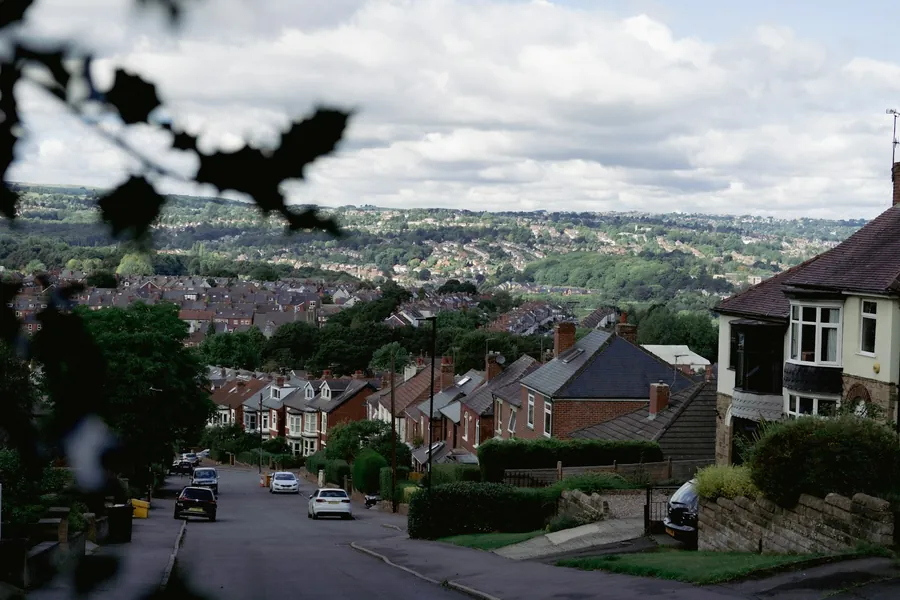
Bexley Council’s. The London Borough of Bexley was created in 1965 and takes in Bexley Village, Crayford, Erith, Slade Green, Belvedere, Bexleyheath and Sidcup. The Dartford border catches people out, because a Crayford address carries a DA1 postcode, the same as much of Dartford.
So if you’re in any of these three towns, these are the Bexley teams you might deal with:
- Planning - only if you’re changing how the roof looks, or you’re in a conservation area with an Article 4 direction
- Building control - for a full re-roof, a heavier covering or structural changes
- Highway enforcement - if the scaffold or skip goes on the pavement or road
- Parking services - if the skip needs a parking bay suspended
Most small repairs need none of them. A like-for-like tile or ridge repair on a house outside a conservation area is simply a roofing job. If you want a local view of the village itself, our page on roofers in Bexley covers Old Bexley’s streets and how we approach work there.
What Kind Of Roof Is On Your House?
It depends on which part of the borough you’re in, because each of these towns grew in a different burst. Knowing your house’s age tells you what usually fails first.
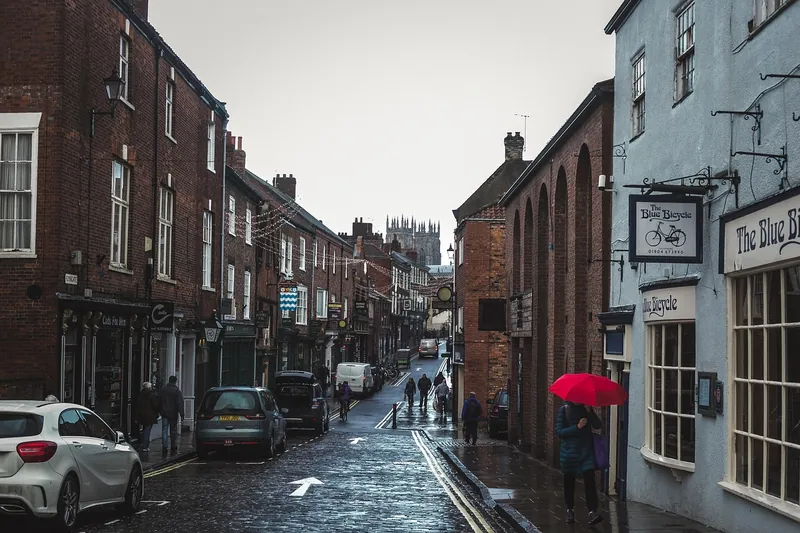
Old Bexley and Bexley Village
The old village along the High Street and Manor Road has Georgian and Victorian brick houses, a few weatherboarded buildings and plenty of period slate and clay. Roofs here have been mended by several generations. The usual faults are tired lead valleys, back gutters behind chimneys and ridges sitting on old lime mortar.
Crayford and Barnehurst
Crayford has two big generations of housing:
- Barnes Cray cottages - around 600 were built from 1915 for Vickers munitions workers, in a deliberately varied mix, so neighbouring roofs rarely match. Now about 110 years old.
- Barnehurst semis - from 1926, once the railway was electrified. Hipped interwar roofs shared down the party wall, often on their original battens or second covering.
Erith, Northumberland Heath and Slade Green
Erith’s town centre was mostly rebuilt between the 1960s and 1980, so many roofs there date from that era, flat roofs included. Up the hill, Northumberland Heath is another Vickers estate from the First World War, with the 1930s “ABC roads” next to it. Slade Green sits low beside the marshes, and its older streets around Oak Road form a conservation area.
What Does A Roofer Charge In Bexley, Crayford And Erith In 2026?
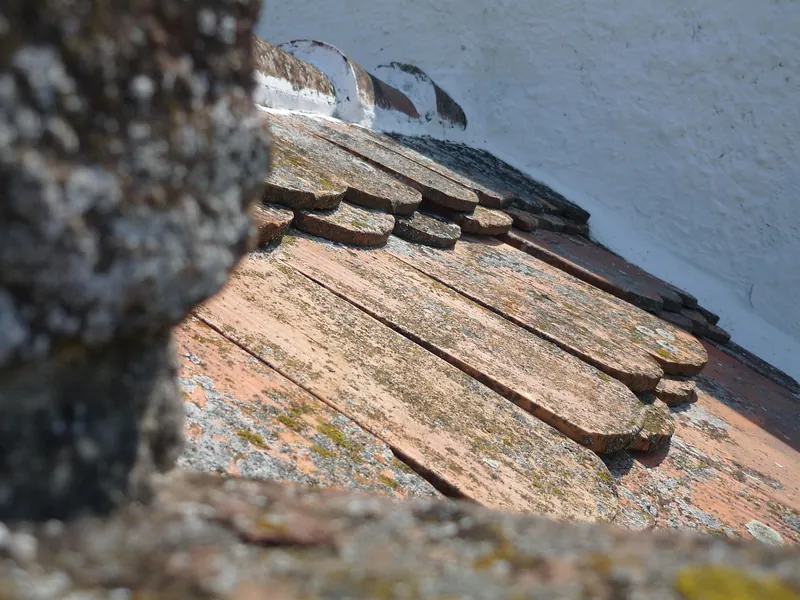
For most jobs, between a few hundred pounds and £16,000. Here are the bands we work to, taken from our roofing costs page:
| Job | Typical 2026 price |
|---|---|
| Refix or replace a few slipped tiles | £180 - £450 |
| Re-bed or dry-fix a ridge | £450 - £1,200 |
| Re-line a valley | £600 - £1,600 |
| New lead flashing round a chimney | £450 - £1,300 |
| Emergency make-safe and tarp | £200 - £500 |
| Re-roof a Victorian mid-terrace, concrete tile | £8,000 - £11,500 |
| Re-roof a Victorian mid-terrace, natural slate | £10,000 - £14,500 |
| Re-roof a 1930s hipped semi | £10,500 - £16,000 |
| Detached house or bungalow with dormers | £14,000 - £24,000+ |
National cost guides put a concrete-tiled semi at roughly £5,500 to £12,000, and say London prices run 20 to 30 per cent above that. Bexley is outer London, with London labour rates, so our bands sit towards the top of the national ones.
How a £10,500 to £16,000 semi re-roof breaks down
- Scaffold for four to six weeks - £1,200 to £2,000
- Stripping the old roof, skips and waste - £700 to £1,200
- Membrane, treated battens, tiles and fixings - £3,800 to £5,800
- Labour, usually two roofers and a labourer for six to eight days - £3,600 to £5,400
- Ridge, verges, leadwork and ventilation - £900 to £1,800
Trade pricing guides put a roofer’s day rate at around £200 to £300, with London and the South East nearer £260 to £360, and a labourer at £120 to £170. A crew of three costs a homeowner roughly £600 to £800 a day once the firm’s insurance and van are in.
Which Bexley Council Rules Apply To Roof Work In These Towns?
Two sets of rules can apply: planning, which mostly bites in conservation areas, and building regulations, which apply to bigger jobs wherever you live.
Conservation areas and Article 4 directions
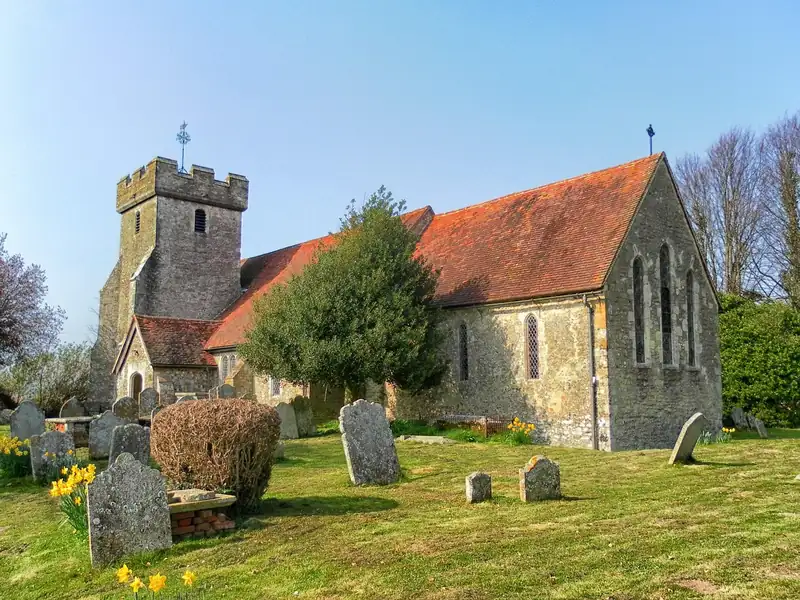
Nine of Bexley’s 23 conservation areas fall in or right next to these three towns. In them, the council cares how a roof looks from the street, and a change of material can need permission.
| Conservation area | Town | Article 4 direction? |
|---|---|---|
| Old Bexley | Bexley | Yes |
| Parkhurst | Bexley | No |
| North Cray Village | North Cray | No |
| Iron Mill Lane | Crayford | No |
| Star Hill | Crayford | No |
| Erith Riverside | Erith | No |
| Lesney Park Road | Erith | No |
| Brook Street | Northumberland Heath | Yes |
| Oak Road | Slade Green | No |
The full list and maps are on Bexley Council’s conservation and heritage page. The borough also has more than 150 listed buildings and around 400 locally listed ones.
What this means in practice:
- Outside a conservation area - re-roofing like for like needs no planning permission
- Inside one without Article 4 - like for like is still fine, but ask the council before changing tiles to something that looks different
- Inside Old Bexley or Brook Street - on houses the direction covers, a change of roof material can need a planning application
- Listed building - almost any change to the roof needs listed building consent, and doing it without consent is a criminal offence
A planning application adds weeks, not days. If you want to swap slate for concrete tile on an Article 4 house, start talking to the council well before you book a roofer.
Building regulations for a new roof
For a full re-roof, you’ll usually need building control approval. It’s separate from planning, so a house that needs no planning permission can still need sign-off.
The Planning Portal’s guidance on re-roofing says repairs normally need no application when they affect less than 25 per cent of the building envelope and less than half the roof. Go past that, or do any of these, and building control gets involved:
- Re-covering more than half the roof
- Fitting a covering 15 per cent or more heavier than the old one, for example concrete tile over slate
- Changing or cutting the rafters, purlins or other structure
- Changing the roof’s fire performance
When a roof is re-covered, the loft insulation is normally brought up to current standards too, so budget for that. Approval comes either through Bexley’s building control team or through a roofer registered with a competent person scheme, which can self-certify the work. Either way, keep the completion certificate. A buyer’s solicitor will ask for it.
Who Pays For Scaffold And Skip Licences On A Bexley Street?
You do, through the roofer’s quote, and only if the scaffold or skip goes on the public highway. On a terrace with no front garden, that’s almost every job.
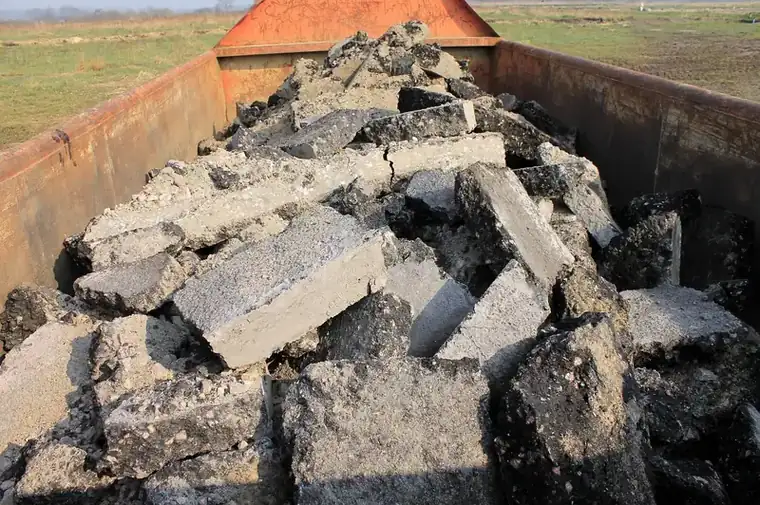
According to Bexley Council’s scaffold and hoarding licence page, the current charges are:
- Scaffold licence fee - £150
- Highway protection licence - £589
- Total for up to three months - £739
- Each extra month - £150
- A refundable deposit based on the area of pavement used
An officer measures the area on site first, so allow time for that meeting. The skip rules are lighter:
- Skip permit - £65 per application, covering one skip for up to 14 days
- At least two working days’ notice before the skip arrives
- Parking bay suspension, if needed - £30 a day or £80 a week
Many semis in Barnehurst and on the ABC roads have a front drive, so the scaffold and skip can stay off the pavement and the licences aren’t needed at all. A quote should say which applies to your house. If it says nothing, ask.
Why Do Erith And Slade Green Roofs Take More Wind?
Because there’s very little between them and the open river. Erith faces a wide stretch of the Thames, and Slade Green sits on low marshland, so a south-westerly gale can cross a lot of open ground before it reaches the first row of roofs.
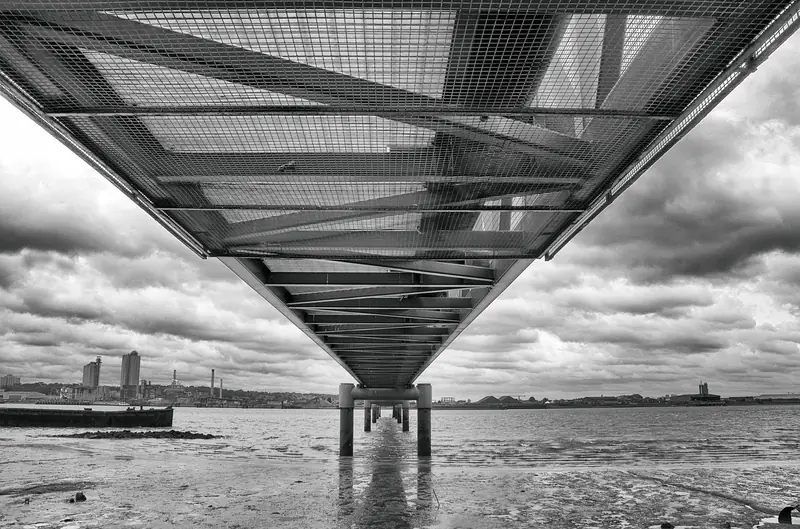
That exposure shows up in a few predictable places:
- Ridge tiles bedded only in mortar crack, loosen and blow off
- Verges on gable ends lose their mortar and let the end tiles lift
- Chimney flashings get peeled back by wind-driven rain
- Older tiles fixed only every few courses lift and slip
Storm Eunice in February 2022 brought the first red wind warning London had ever had, and the QEII Bridge just down river closed in it. Storms like that find a weak ridge in minutes. On exposed roofs, a dry-fixed or mechanically fixed ridge costs a little more than re-bedding in mortar but usually lasts far longer. Old Bexley, further inland on the River Cray, is more sheltered, so there the problems tend to be age and old repairs rather than wind.
What Hidden Costs Turn Up On Older Roofs Here?
Mostly the things you can’t see until the tiles come off. On houses that are 90 to 110 years old, several are common enough to plan for.
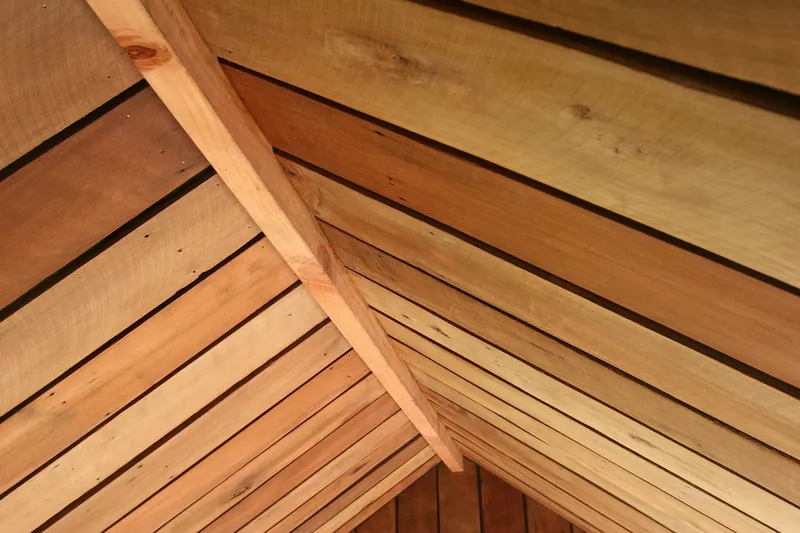
- Rotten rafter feet and wall plates - £300 to £1,200, usually where a gutter has leaked for years
- Shared chimney stacks - repointing or new flaunching runs £650 to £1,900, and you may need next door’s agreement
- Lead that was tarred over - bitumen patches hide splits, so the “small” flashing job becomes a full renewal
- Party wall junctions - on a semi, the join with next door’s roof needs careful tying in, especially if theirs is a different material
- Asbestos - some 1960s and 1970s flat roofs and garage roofs in Erith may contain asbestos cement or felt, which must be tested before removal
- Matching tiles - reclaimed clay for a Barnes Cray cottage or a conservation area roof costs more than new concrete tile and can take weeks to find
A good quote lists likely extras as provisional items with a price per unit, so you know the most a nasty surprise can cost before work starts.
Repair Or Re-Roof: Which Makes Sense For Your House?
On most houses in these towns, a repair is the right first answer. A roof needs replacing when the battens and underlay have failed across the whole slope, not because one area leaks.
| Targeted repair | Full re-roof | |
|---|---|---|
| Typical cost | £180 - £1,600 | £8,000 - £24,000+ |
| Time on site | Hours to two days | One to two weeks |
| Scaffold licence likely | Rarely | Often, on terraces |
| Building control | Not usually | Usually yes |
| Fixes | One fault | Battens, membrane, ventilation, insulation |
| Best for | Sound roof with a local fault | Repeated leaks, sagging, nail fatigue |
If your roof still has its original 1920s or 1930s covering and you’re on your third or fourth repair in a few years, re-roofing usually saves money over the next decade. If it was re-covered in the last 30 years, repair it. There’s more on how this plays out house by house in our guide to roofers in Wilmington, Sutton-at-Hone and Hawley, which deals with similar interwar stock just over the Dartford side of the boundary.
How Do You Choose A Roofer In Bexley, Crayford Or Erith?
Look for someone who knows the borough’s rules as well as the roofs. Before you sign anything, check:

- They’ve worked on your type of house - a Barnes Cray cottage and a 1960s Erith block are very different jobs
- They raise planning early - a roofer who asks whether you’re in a conservation area before quoting is a good sign
- Licences are in the quote - scaffold and skip permits priced or ruled out, not left as a surprise
- Building control is covered - who notifies Bexley, or whether they self-certify
- Insurance - public liability, and an insurance-backed guarantee on a re-roof
- Reviews you can check - Google, Checkatrade or Trustpilot, with recent jobs nearby
- A written, itemised quote - and get at least three to compare like with like
Be wary of anyone who knocks after a storm saying they’ve spotted a problem from the street, or who wants a large cash deposit before the scaffold is up.
The Verdict: Who Should You Call?
For a slipped tile or a loose ridge, call a local roofer, get a written price and expect to pay a few hundred pounds. For a full re-roof in Bexley, Crayford or Erith, budget £10,500 to £16,000 for a typical semi, check whether you’re in one of the borough’s conservation areas first, and make sure the quote covers Bexley’s scaffold licence and building control. If we had to give one piece of advice, it’s this: sort the paperwork question before the tile question.
We cover the whole of the borough from our base in Dartford, including Crayford, Erith and Bexley Village, with a free survey and a fixed written quote. Book a free roof survey in Bexley, Crayford or Erith.
Frequently asked questions
Is Crayford in Bexley or Dartford for planning?
Bexley. Crayford, Erith and Bexley Village all sit inside the London Borough of Bexley, so Bexley Council handles planning, building control and highway licences there, even though Dartford town centre is only a couple of miles away.
Does a scaffold for roof work in Bexley need a council licence?
Only if any part of it stands on the public highway, which includes the pavement. Bexley's scaffold licence page lists a £150 licence fee plus a £589 highway protection licence, £739 in total for up to three months, with a refundable deposit on top and £150 for each extra month. A scaffold that stays entirely on your own drive or garden needs no licence.
How much does a skip permit cost in Bexley?
Bexley Council charges £65 per application, and each permit covers one skip for up to 14 days. It has to reach the council at least two working days before the skip arrives. If the skip sits in a resident or pay-and-display bay, suspending the bay costs another £30 a day or £80 a week.
Which Bexley conservation areas have Article 4 directions?
Bexley Council lists Article 4(2) directions for four conservation areas: Old Bexley, Brook Street in Northumberland Heath, Old Forge Way in Sidcup and Red House Lane in Bexleyheath. On houses those directions cover, work that would normally go ahead without permission, such as changing the roof covering, can need a planning application. Check your address with the council before you change materials.
What does a new roof cost on a semi in Crayford or Erith in 2026?
A hipped 1930s semi, the type common in Barnehurst and on Erith's ABC roads, usually costs £10,500 to £16,000 to re-roof in clay or concrete tile. A mid-terrace runs £8,000 to £14,500 depending on whether it's concrete tile or natural slate. Scaffold, leadwork and the condition of the timbers decide where in the band your house lands.
Want a Dartford roofer to look at yours?
A roofer will come out, check it from the loft and the outside, and give you a written price. Dartford, Crayford, Bexley, Swanley and nearby.