
22 October 2026
Gutter, Fascia And Soffit Replacement Costs In Dartford
Gutter, fascia and soffit replacement costs in Dartford for 2026: capping vs full replacement, asbestos soffits, cast iron, bats and scaffold, by house type.
You can usually tell roughly when a Dartford house was built by looking at its eaves. The Victorian terraces near the town centre and up West Hill often still have painted timber boards, and some have cast iron gutters that have outlived three or four owners. The 1930s semis around Dartford Heath, Wilmington and Joyden’s Wood had timber fascias too, though most were boxed in with plastic decades ago. Postwar houses on estates like Temple Hill sometimes hide a less welcome material in the soffits. And the newer homes at Ingress Park in Greenhithe, well over a thousand of them on the old Ingress Abbey grounds, arrived with uPVC from the start. Each one needs a different conversation about gutter, fascia and soffit replacement costs in Dartford, which run from about £90 for a clear-out to £4,800 or more for a full roofline on a semi. This guide goes through the decisions that set the price, one at a time.
What gutter, fascia and soffit replacement costs in Dartford in 2026
Start with the numbers, then work out which line your house actually falls on. These are our 2026 guide prices, VAT included, for the kinds of houses we see most across the borough.
| Job | Typical 2026 price |
|---|---|
| Clear and flush gutters, terraced house | £90 - £180 |
| Clear and flush gutters, semi or bungalow | £120 - £240 |
| Reseal a leaking joint or refit a dropped bracket | £100 - £220 |
| New uPVC gutter run across a terrace front | £300 - £650 |
| uPVC cover boards over sound fascias, semi | £1,600 - £2,800 |
| Full fascias, soffits and gutters, mid-terrace front and back | £1,800 - £3,200 |
| Full fascias, soffits and gutters, semi | £2,600 - £4,800 |
| Full roofline, bungalow | £2,400 - £4,200 |
| Full roofline, three-storey townhouse | £4,000 - £6,500 |
A bungalow surprises people. It has eaves on all four sides at one level, so there’s often more metres of board than on a two-storey semi, even though the access is easier. Three-storey townhouses cost more mainly because of the height, not the length. If you’d like to see how we go about the job itself, our page on guttering, fascias and soffits in Dartford covers the survey and the fitting.
Clear it, mend it or replace it?
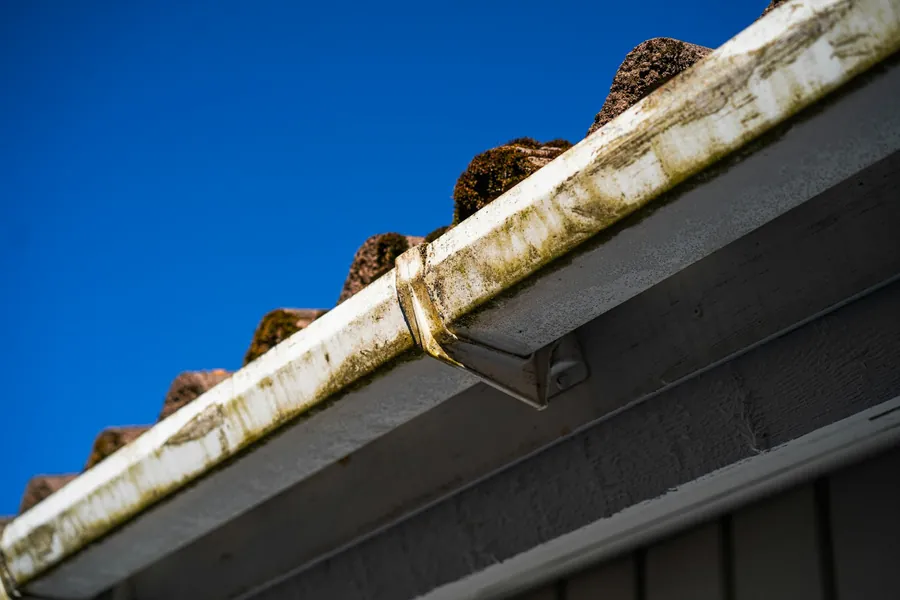
Plenty of calls about “new guttering” end with a ladder, a bucket and a bill under £200. So before anyone prices a new roofline, find out whether the old one has actually failed.
Water pouring over the front edge in a downpour is nearly always a blockage. Leaves, moss off the tiles, a tennis ball, sometimes a whole sparrow’s nest wedged in the outlet. Clearing it fixes the problem. A steady drip from one spot, on the other hand, is usually a joint. Plastic gutters are joined with rubber seals that harden and shrink over 15 or 20 years, and a reseal or a new union clip costs far less than a new run.
Sagging is the one to look at closely. If the gutter dips between two brackets, the bracket may simply have been knocked or overloaded with ice. If several brackets have pulled away together, the screws have probably lost their grip in the fascia, and that points to rot. That’s the point where a repair stops making sense. You can also check the downpipes from the ground: a cracked shoe or a pipe that ends a few inches short of the drain will soak the same patch of wall every time it rains.
Cover boards or a full strip-out on timber fascias
No single choice moves a roofline quote more than this one. It’s also where two firms’ prices for the same house often turn out to be for different jobs.
Capping means clipping thin uPVC cover boards over the old timber fascias and soffits and fixing new gutters to them. Full replacement means taking the old boards off, checking the rafter ends behind them, and fixing new full-thickness boards. Capping a semi might cost £1,600 to £2,800. A full replacement on the same house is £2,600 to £4,800. That gap is real, and capping isn’t always the wrong call.
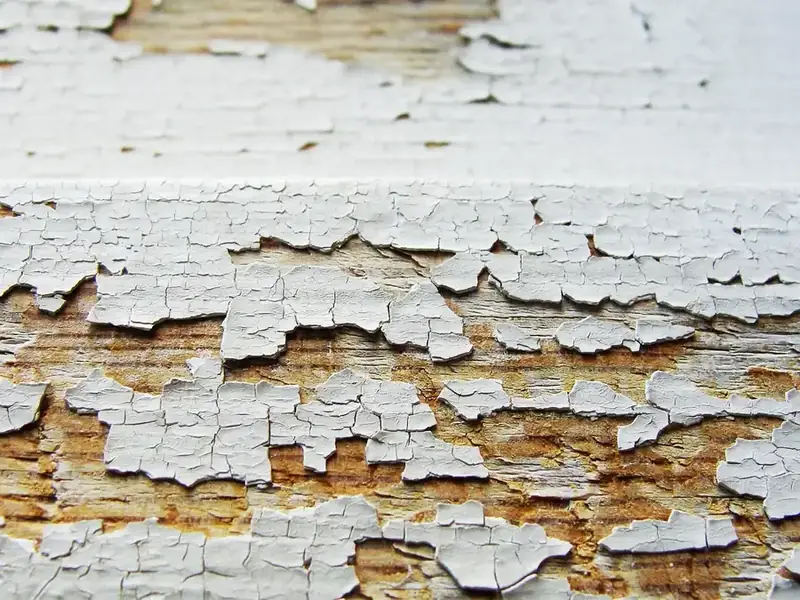
On a 1930s semi, the original fascias were softwood, and by now many have been painted a dozen times or already capped once. Where the timber is still dry and firm, capping is fine. But on the bay-fronted semis round Dartford Heath and in Wilmington, the weak spot is often the bay roof and the corner where the hip meets the front fascia. Water sits there, the joint opens and the timber goes soft from the inside while the paint still looks fine. A screwdriver pushed into the board tells you more than a look from the drive.
Victorian terraces are a different case. The boards are older, often thicker and better quality, but they’ve been through more. Some are fixed straight onto the brickwork with no rafter feet behind them. Others carry cast iron gutters heavy enough that a thin capped board won’t hold them. On these, we’d usually quote to strip them out. If your quote just says “new fascias”, ask which method it means and get the answer written on the quote.
Asbestos in soffits on postwar Dartford houses
Asbestos is the part nobody likes to bring up, but on some houses it has to be discussed before the old soffits come down.
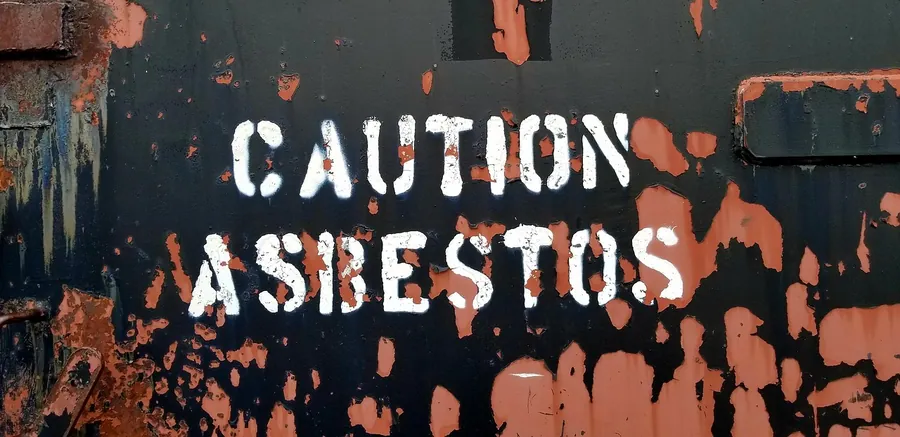
The HSE says asbestos can turn up in any building built or refurbished before 2000, and its guidance names soffits and fascias among the common places on a house. In Dartford that brings in a lot of homes: the postwar estates such as Temple Hill, 1950s to 1970s infill on older streets, and plenty of earlier houses that had their eaves boarded in during the 1960s or 70s. Some soffit boards from that era are asbestos insulating board, known as AIB. Others are asbestos cement, which is denser and less fragile. You can’t tell which by looking, and you can’t tell either one from plain fibreboard.
So if we suspect a board, we don’t cut it. A sample goes off to an accredited lab, and the results decide what happens next. According to the HSE’s guidance on licensable asbestos work, work on AIB normally needs a licensed contractor. The exception is short-duration work, with no more than two hours spent on it in any seven days. Stripping a whole house’s soffits isn’t that. Asbestos cement is usually handled as non-licensed work, but still under strict controls.
What does that mean for the bill? A test is a small cost compared with the job. Licensed removal of AIB soffits adds a four-figure sum, priced once the results are back. It doesn’t stop the job. It just has to happen first, and a decent quote mentions it before the scaffold goes up, not halfway through.
Boxed-in eaves, bats and nesting birds
Old soffits rarely fit tightly. Over the years, gaps open up behind the gutter and at the corners, and the space behind them becomes home to whatever finds it first.
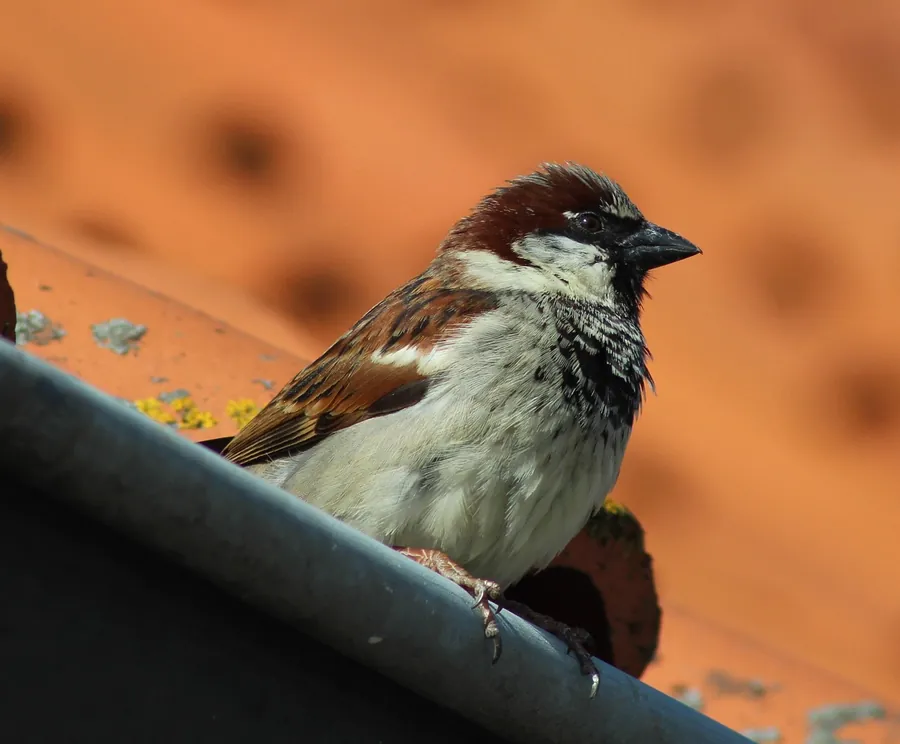
For roofline work, bats matter most, because the law protects their roosts even when no bats are there. Houses backing onto Joyden’s Wood and Dartford Heath are the sort of places where they turn up, though any house can have them. The Bat Conservation Trust’s advice on soffit and fascia work says bats often roost behind these boards, and it recommends checking before work starts. Where bats are using the eaves, it suggests replacing like for like, or roughening the underside of new uPVC near the access point so they can still grip it. Free advice is often available for minor works like this. If the roost can’t be kept, a licence may be needed. Should we find droppings or a bat mid-job, we stop and get advice. That can shift the timing, but rarely the price by much.
Birds are simpler. Active nests are protected, so if starlings or sparrows are nesting behind a soffit in spring, the boards stay until the young have gone. After that, new soffits, eaves trays and bird comb close the gaps for good.
uPVC, aluminium or cast iron: matching the gutter to the house
Most Dartford houses end up with uPVC, and for most of them that’s the right answer. Some deserve a second look.
uPVC is the cheapest to buy and fit, it’s light, and it comes in white, black, brown, anthracite and woodgrain. On a 1930s semi or a new build at Ingress Park, it’s what we’d fit nine times out of ten. Aluminium costs roughly twice as much for the same run. That extra makes sense on long runs where you want fewer joints, or on a house where the owner never wants to think about the gutters again.
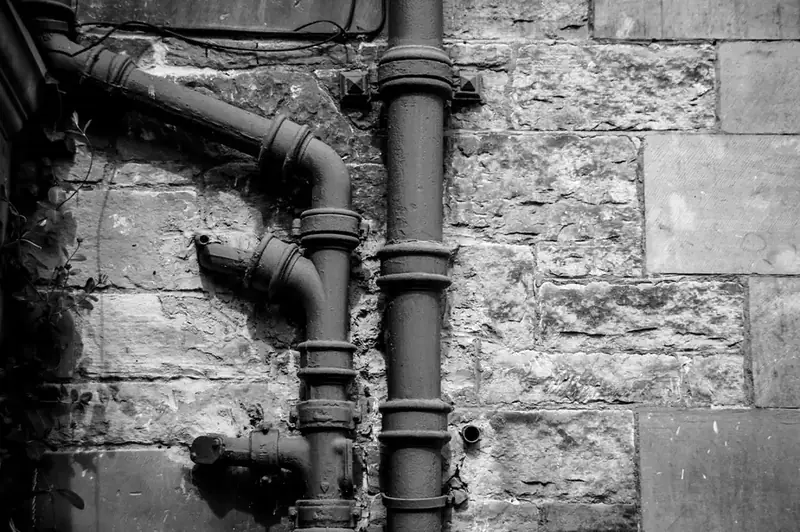
Cast iron is the expensive one, often three or four times the uPVC price for a new run, but it doesn’t always need replacing. On a Victorian terrace, rusting cast iron can usually be taken down, cleaned, resealed with new bolts and repainted for £600 to £1,400 across a front. Where a length has cracked, it can be swapped for new cast iron or a cast-look aluminium. If your house is in one of Dartford Borough Council’s six conservation areas, which include the Town Centre, Greenhithe and Church Hill in Wilmington, check with the council before swapping cast iron or timber for plastic. A listed building will almost certainly need consent.
Scaffold, tower or ladders: how access changes the price
On a full roofline replacement, access is the biggest cost after materials and labour, and it’s the first line to check when two quotes look far apart.
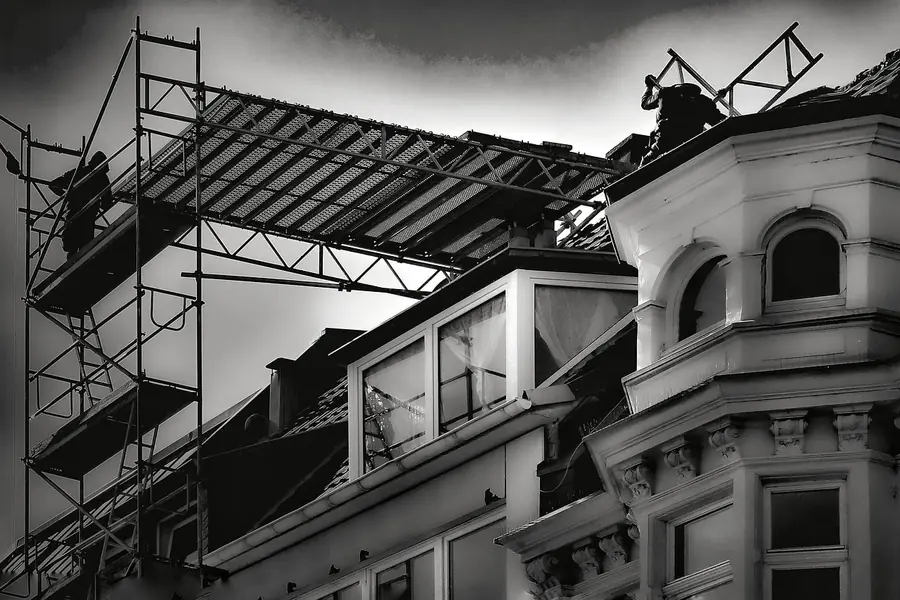
A full strip-out and refit runs along every metre of eaves at height for several days, so most two-storey houses need scaffold, front and back. On a mid-terrace that usually means scaffold on the pavement, and that needs a licence from Kent County Council as highway authority. Bungalows in Joyden’s Wood and semis with a clear drive can often be done from a mobile tower instead, and that saves a fair bit. Three-storey townhouses, like many in Ingress Park, need taller scaffold for longer, and that’s most of why they sit at the top of the price table. Clearing, resealing and small repairs are ladder jobs on almost any house.
The best value comes from sharing the access. If scaffold is already going up for a chimney, adding the gutters and fascias on that side costs far less than putting it up again next year. Our guide to chimney repair costs in Dartford covers what usually gets done on the stack while the scaffold is there. On a terrace, getting the neighbours to do their section at the same time splits the access and gives you one continuous run with matching joints at the boundary.
Whichever job you need, get the quote in writing with the access, the method (capped or replaced) and any asbestos testing on separate lines. That makes two quotes easy to compare.
Frequently asked questions
How much does it cost to replace fascias, soffits and gutters on a semi in Dartford?
Our 2026 guide price for stripping and replacing the whole roofline on a semi, front and back, is £2,600 to £4,800 including VAT. An end-of-terrace or a semi with a hipped roof and a bay sits towards the top of that. A mid-terrace usually costs less, at around £1,800 to £3,200, because there's less eaves to cover.
Is fascia capping a bad idea?
Not always. Clipping uPVC cover boards over timber that is dry, firm and straight can give years of service for less money. It's a poor choice over soft or split boards, because the gutter brackets are then screwed into wood that is already failing. Ask the roofer to test the old boards in front of you and say in writing which method they're quoting.
Could my soffits contain asbestos?
If the house was built or refurbished before 2000, it's possible. The HSE lists asbestos insulating board and asbestos cement among the materials found in soffits and fascias. You can't tell by looking, so a sample goes to a lab before anyone cuts or breaks the boards. Work on asbestos insulating board normally needs an HSE-licensed contractor.
Do I need scaffold to replace guttering in Dartford?
For a full roofline replacement on a two-storey or taller house, usually yes, because the work runs along the whole eaves at height for several days. Bungalows and some semis with a clear drive can be done from a mobile tower. Small repairs, clearing and resealing joints are normally done from ladders.
Want a Dartford roofer to look at yours?
A roofer will come out, check it from the loft and the outside, and give you a written price. Dartford, Crayford, Bexley, Swanley and nearby.